How I Work
No two people come to therapy with the same story. Even when two people struggle with the same problem, what lies behind it can be very different. Our past, our close bonds, the way we learned to cope and the choices we have made all shape who we are.
This is why I do not follow a fixed plan or use the same method with everyone.
We start with you.
We think together
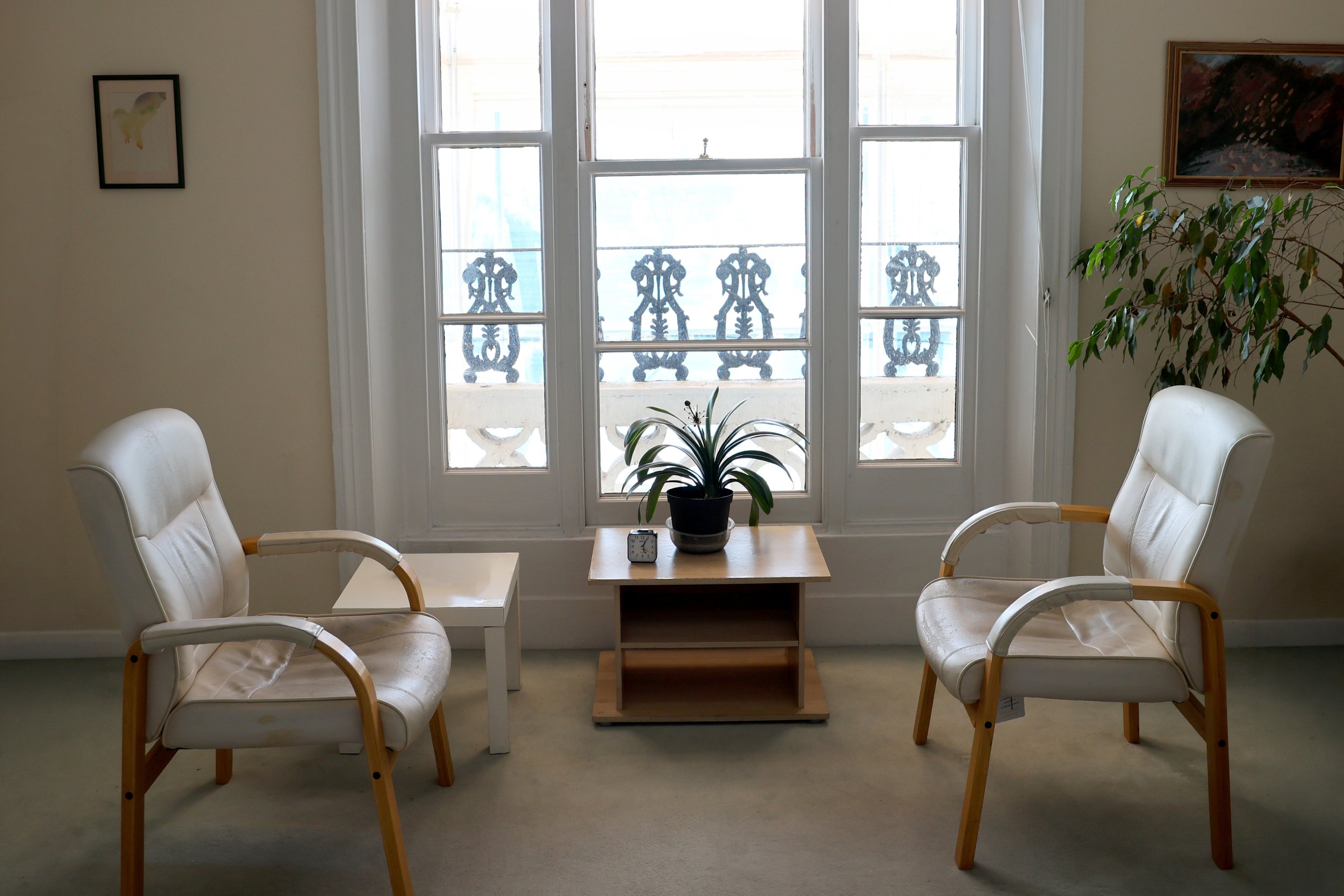
In our sessions, I see myself as one person sitting alongside another.
I bring my training, experience, attention and curiosity. You bring something I can never have: the experience of being you.
Together, we try to understand what it is like to live your life.
You can talk about what is troubling you now, events from the past, your close bonds, thoughts that are hard to share, or things you do not yet fully understand yourself.
You do not need to plan what to say before a session. Sometimes we begin with something that happened that morning. At other times, a memory, feeling, dream or question leads us somewhere we did not expect.
Over time, we begin to see links and patterns that may have been hard to notice before.
Understanding before change
It is natural to want painful feelings to go away. Yet trying to get rid of them too quickly can mean we miss what they are telling us.
Anxiety, anger, sadness, shame and loneliness do not appear from nowhere. The same is true of the ways we cope. Staying in control, pleasing others, working too hard or keeping people at a distance may all have helped us at some point in our lives.
Rather than asking, "How do I stop being like this?", therapy gives us room to ask:
"Why did I learn to be this way?"
and
"Do I still need to live this way now?"
Understanding does not mean staying the same. When we begin to see why we feel and act as we do, we have more choice about what happens next.
I will listen, but I will also challenge you
Therapy is not only about being listened to.
Feeling heard and accepted matters, but there are also times when I may notice something that is hard for you to see from where you stand.
I may ask a question that takes us in a new direction. I may notice a pattern that keeps returning, point out a gap between what you say and what you seem to feel, or invite you to look at an old belief in a new way.
I will do this with care and respect.
The aim is not for me to tell you what is true about you. It is for us to become curious about what we notice and see whether it helps you understand yourself better.

My approach
I am an integrative psychotherapist. This means my work draws on more than one school of therapy rather than asking every client to fit the same model.My training includes person-centred, humanistic, psychodynamic and transpersonal therapy. My work is also shaped by Jungian ideas. In simple terms, this means we can look at both your present life and the experiences that have shaped you.We may explore your early years and close bonds, the ways you learned to protect yourself, patterns that keep returning, and parts of yourself that are harder to know or accept.At other times, our work may focus on what is happening right now and what you need from therapy at this point in your life.The approach follows the person, rather than asking the person to follow the approach.Working with dreams
Dreams can sometimes show us something that is harder to see when we are awake.
I completed advanced training in dream work at the Dream Research Institute in London, and dream work can form part of our sessions if it interests you.
I do not use a dream dictionary or tell you what a dream "really means."
Instead, we look at the dream together.
We may explore the people, places, feelings and images that appear in it. We can think about what they mean to you, what was happening in your life when you had the dream, and whether the dream brings a new view of something you are facing.
Sometimes a dream opens a door to feelings or questions that have been hard to reach through talking alone.
You never need to bring dreams to therapy. They are simply another way we can explore your inner life if they become part of the work.

Finding your own answers
Advice can sometimes be useful, but no therapist knows your life from the inside as you do.
Part of our work is to help you hear your own thoughts and feelings more clearly. We can look at what shapes your choices, which voices you tend to listen to, what you fear might happen if you choose differently, and what matters to you.
The aim is not to make you dependent on therapy for answers.
It is to help you know yourself well enough to trust your own judgement.
How long does therapy take?
There is no single answer.
Some people come with one issue they want to explore and choose to work for a set period. Others want more time to look at long-held patterns, past experiences or deeper questions about themselves and their relationships.
I offer both short-term and open-ended therapy.
We can talk about what you are looking for when we first meet and review our progress as we go.
Our first meeting
You do not need to prepare for our first session or know exactly where to begin.
We will talk about what has brought you to therapy, what is happening in your life and what you would like help with. You can also ask me questions about the way I work.
Most of all, the first meeting gives us a chance to see what it feels like to talk together.
A good therapy relationship cannot be worked out from a list of qualifications or methods. Sometimes you need to sit in the room with someone and see.