About me
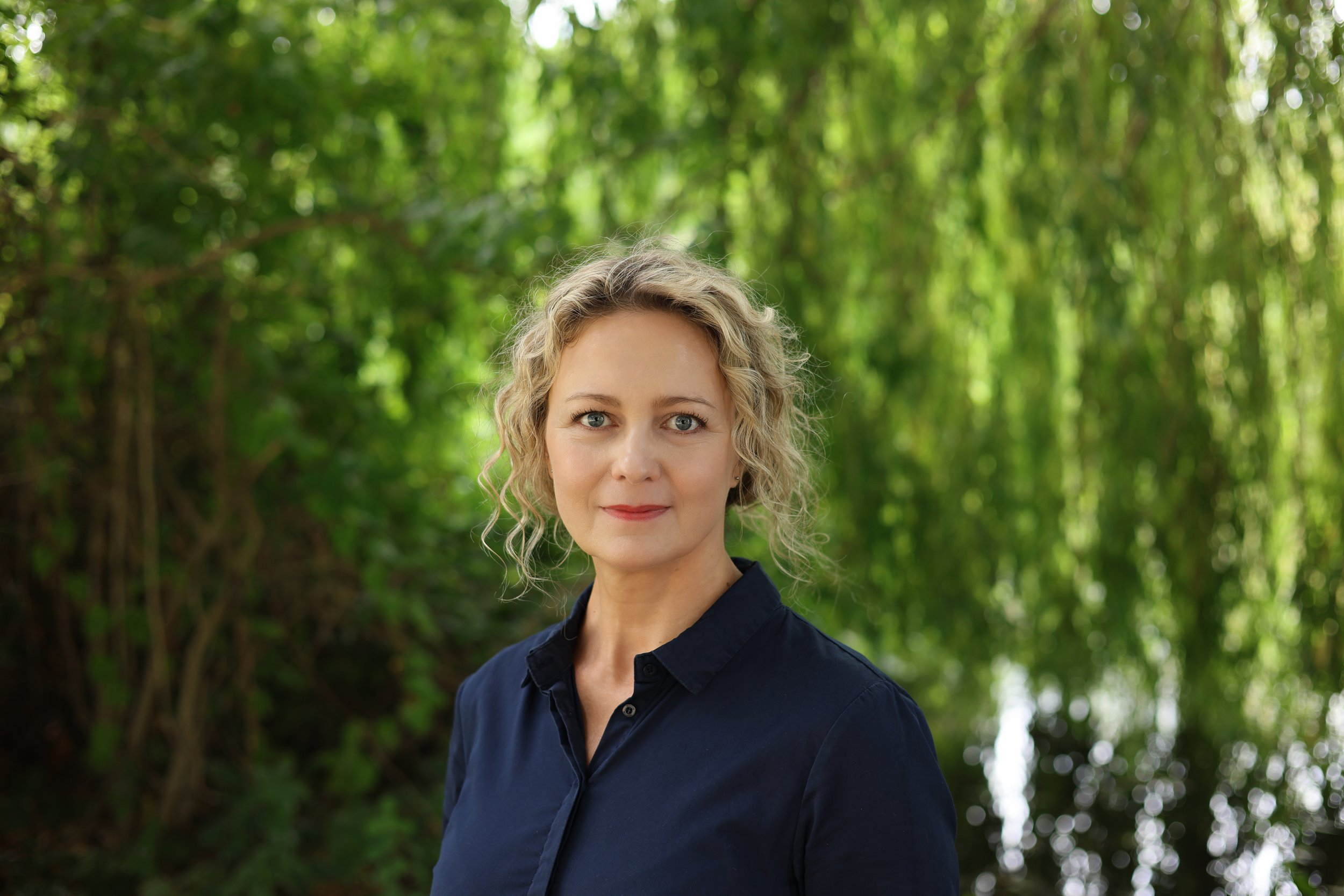
I am Merike Taal, an integrative psychotherapist working with adults and young people in London, Sevenoaks and online.
I have always been curious about people: how we become who we are, why we repeat certain patterns, and what helps us change.
I see therapy as a place where we can slow down and look more closely at your life. We can explore what has shaped you, what may be troubling you now, and what has become hard to see on your own.
I do not believe there is one right way to live or one answer that fits everyone. Each person brings their own history, needs, hopes and ways of making sense of the world. My role is to meet you with curiosity and care, and to help you understand your own experience more clearly.
My experience
I have worked with clients since 2018, first as a trainee and later as a qualified psychotherapist in private practice.
I have also worked for several mental health charities and services, including Maytree, a respite centre for people in suicidal crisis, and the Maudsley.
Over the years, I have worked with people facing anxiety, depression, grief and loss, low self-worth, loneliness, relationship problems, trauma, abuse, questions of identity and suicidal thoughts.
Working with people at very different points in their lives has taught me not to make quick assumptions. Two people may come to therapy with the same problem, yet the story behind it can be very different.
Understanding that story is an important part of the work.
Why I became a psychotherapist
I have always been fascinated by the human mind and the ways our experiences shape who we become.
One of the first books that had a lasting effect on me was Erich Fromm’s The Art of Loving, which I read in my early teens. It introduced me to an idea that has stayed with me ever since: that we have a responsibility to understand ourselves. The more we learn to know, accept and love ourselves, the more able we become to offer that same understanding and care to others.
It took many years before this early interest led me to psychotherapy. Looking back, becoming a psychotherapist was not a sudden change of career. It feels like the meeting point of a lifelong interest in people, years spent listening to people's stories as a journalist, and my own experience of therapy.
My training
I trained for five years at the Centre for Counselling and Psychotherapy Education (CCPE) in London, where I gained my Diploma in Counselling and Psychotherapy.
My training brought together several ways of thinking about therapy, including humanistic, person-centred, psychodynamic and transpersonal approaches. This allows me to work with each person as an individual rather than follow the same method with everyone.
I later completed advanced training in dream work at the Dream Research Institute in London. This deepened my interest in dreams, imagination and the parts of our inner lives that are not always easy to reach through words alone.
I am also undertaking an MA in Child and Adolescent Psychotherapy at the University of Northampton.
Before becoming a psychotherapist, I studied Journalism and Public Relations at the University of Tartu in Estonia and spent many years working in journalism, marketing and communications.
I am a registered member of the British Association for Counselling and Psychotherapy (BACP) and work within its Ethical Framework.
I offer therapy in English, Estonian and Russian.

What matters to me in therapy
Curiosity before judgement
The ways we cope usually develop for a reason. Before trying to change them, I think it matters to understand what they have done for us and why we may still need them.
The relationship matters
Therapy is not something I do to you.
It is something we create together. I bring my training, experience and attention. You bring something no therapist can have: the experience of being you.
Finding your own way
I will not tell you how you should live your life.
Therapy can help you hear your own thoughts and feelings more clearly, notice what has been shaping your choices, and build more trust in your own judgement.
For me, this is one of the most valuable parts of therapy: the better we understand ourselves, the more choice we have about what comes next.
Choosing a therapist
Qualifications and experience matter, but so does the relationship between you and your therapist.
You need to feel that you can speak openly, disagree, ask questions, be unsure and gradually allow yourself to be known.
An initial meeting gives us a chance to see what it feels like to talk together and whether my way of working feels right for you.